
"bitter coffee compounds"
700 article(s) found

Detailed Analysis of the components of Coffee beans
★ volatile compounds: volatile compounds are the main source of coffee flavor, especially important for coffee quality. There are many kinds of volatile substances in coffee, and their existence will affect the aroma quality of coffee. Its main source is derived from non-volatile substances in raw beans which are disconnected or derived after reaction in the process of roasting. The role of thermal decomposition, other reactions, or compositions, such as sugar.

Barista training knowledge: detailed analysis of coffee bean components
★ volatile compounds: volatile compounds are the main source of coffee flavor, especially important for coffee quality. There are many kinds of volatile substances in coffee, and their existence will affect the aroma quality of coffee. Its main source is derived from non-volatile substances in raw beans which are disconnected or derived after reaction in the process of roasting. The role of thermal decomposition, other reactions, or compositions, such as sugar.
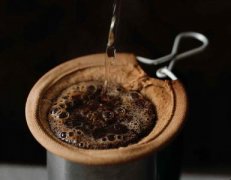
What are the chemical constituents in a coffee bean?
★ volatile compounds: volatile compounds are the main source of coffee flavor, especially important for coffee quality. There are many kinds of volatile substances in coffee, and their existence will affect the aroma quality of coffee. Its main source is derived from non-volatile substances in raw beans which are disconnected or derived after reaction in the process of roasting. The role of thermal decomposition, other reactions, or compositions, such as sugar.

Detailed Analysis of the components of Coffee beans in Coffee Encyclopedia
★ volatile compounds: volatile compounds are the main source of coffee flavor, especially important for coffee quality. There are many kinds of volatile substances in coffee, and their existence will affect the aroma quality of coffee. Its main source is derived from non-volatile substances in raw beans which are disconnected or derived after reaction in the process of roasting. The role of thermal decomposition, other reactions, or compositions, such as sugar.
Fine Coffee: a detailed Analysis of the components of Coffee beans
★ volatile compounds: volatile compounds are the main source of coffee flavor, especially important for coffee quality. There are many kinds of volatile substances in coffee, and their existence will affect the aroma quality of coffee. Its main source is derived from non-volatile substances in raw beans which are disconnected or derived after reaction in the process of roasting. The role of thermal decomposition, other reactions, or compositions, such as sugar.
Detailed Analysis of the components of Coffee beans in the training of baristas
★ volatile compounds: volatile compounds are the main source of coffee flavor, especially important for coffee quality. There are many kinds of volatile substances in coffee, and their existence will affect the aroma quality of coffee. Its main source is derived from non-volatile substances in raw beans which are disconnected or derived after reaction in the process of roasting. The role of thermal decomposition, other reactions, or compositions, such as sugar.

A detailed explanation of the ingredients of coffee beans basic knowledge of fine coffee
★ volatile compounds: volatile compounds are the main source of coffee flavor, especially important for coffee quality. There are many kinds of volatile substances in coffee, and their existence will affect the aroma quality of coffee. Its main source is derived from non-volatile substances in raw beans which are disconnected or derived after reaction in the process of roasting. The role of thermal decomposition, other reactions, or compositions, such as sugar.

Where does coffee taste bitter? why coffee is bitter?
The researchers identified two compounds associated with the bitterness of coffee to add milk and sugar to a steaming cup of coffee, a sign that many people start a new day. Although this is done to reconcile the bitterness of the drink, the reason why coffee makes us frown has puzzled scientists for decades. Today, by identifying two types of breakfast coffee that are either mild or mild,
Detailed analysis of coffee bean ingredients
Volatile substances: Volatile substances are the main source of coffee flavor and are especially important for coffee quality. There are many kinds of volatile compounds in coffee, and their existence will affect the aroma quality of coffee. The main source is derived from non-volatile substances from raw beans, which are broken off or reacted during roasting. Thermal decomposition, other reactions, or interactions between components, e.g. sugar

Where does the bitter taste of coffee come from?
The researchers identified two compounds associated with the bitterness of coffee to add milk and sugar to a steaming cup of coffee, a sign that many people start a new day. Although this is done to reconcile the bitterness of the drink, the reason why coffee makes us frown has puzzled scientists for decades. Today, by identifying two types of breakfast coffee that are either mild or mild,

Basic knowledge of Coffee where does coffee taste bitter?
The researchers identified two compounds associated with the bitterness of coffee to add milk and sugar to a steaming cup of coffee, a sign that many people start a new day. Although this is done to reconcile the bitterness of the drink, the reason why coffee makes us frown has puzzled scientists for decades. Today, by identifying two types of breakfast coffee that are either mild or mild,
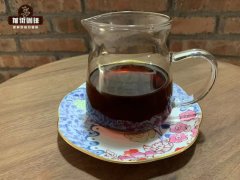
What is the reason why the coffee is too bitter? What substances does the bitterness of coffee come from and how to prevent it from being too bitter?
Bitterness has become a terrible word in the boutique coffee industry. We all know that good coffee should be sweet and balanced, may be a little sour, and there is absolutely no need to add sugar to make it delicious. What makes coffee bitter? is it always that bad? Doesn't it taste bitter? Bitterness is not always a bad thing. In fact, if your coffee doesn't taste bitter at all, you may find it too

How does the coffee taste when it's deep roasted?
Deep roast coffee differs from other coffees in the mixing process of the basic tastes. Due to the intense thermal decomposition of coffee beans, most of the sugar in coffee is broken down. Loss of sweetness in taste. Due to the addition of carbolic compounds, sweetness is replaced by bitterness. Bitterness is often misunderstood. Bitterness in food is often regarded as something bad. However, in certain foods,

[coffee roasting] what are the chemical changes in coffee beans during roasting?
Professional coffee knowledge exchange more coffee bean information please follow the coffee workshop (Wechat official account cafe_style) do you know what happens when roasting coffee beans? What are the chemical changes that transform raw coffee beans into coffee ripe beans with charming flavor and rich aroma? In the previous article, we saw that the structure of coffee beans plays an important role in the roasting process.

Boutique coffee beans | what is the reaction when coffee is roasted? why the coffee is rich in flavor
Do you know what happens when you bake coffee? What changes have taken place to turn mung beans into our favorite delicious, fragrant coffee beans? In the first part of this two-part series, we studied how the anatomical structure of coffee beans played an important role and outlined the physical changes that took place during roasting. Now, let's look at some chemical changes.
Classify the smell of coffee by source
According to the source, the aromatization table can be divided into three groups: the first group: this kind of compound is the result of enzymatic reaction during the growth of coffee beans. The main components are ester and aldolase. This compound is the most volatile and is often found in the dry aroma of freshly ground coffee powder. The first group can be further subdivided into three types: floral flavor, fruit flavor and
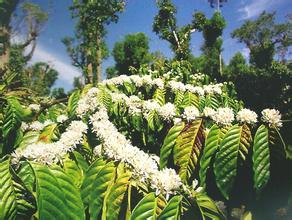
The smell of coffee according to its source is of great reference value for roasting.
According to the source, the aromatization table can be divided into three groups: the first group: this kind of compound is the result of enzymatic reaction during the growth of coffee beans. The main components are ester and aldolase. This compound is the most volatile and is often found in the dry aroma of freshly ground coffee powder. The first group can be further subdivided into three types: floral flavor, fruit flavor and

The weight loss coffee compound chlorogenic acid (CGA) has the effect of preventing obesity.
Recently, people who studied coffee at the University of Georgia found that the coffee compound chlorogenic acid (CGA) can prevent obesity. Nowadays, many people like to drink coffee. When we feel tired, we have a cup of coffee in our hands to taste the bitter taste with fragrance, not the general taste in mind. When coffee was first introduced into China, I actually liked the taste.
"Coffee roaster companion" the chemical substances of raw beans the structure and changes of coffee beans
Chapter 2: chemical substances of raw beans author: Scott Rao translator: Huaxia coffee raw beans are strong and green seeds, 50% of which are different forms of carbohydrates, and the other 50% are composed of water, proteins, lipids, acids, and various biological bases. Coffee roasters can bake good coffee without knowing the many chemicals in raw beans, but
Scientists study how the bitterness of coffee helps to improve the taste of coffee
Although this is done to coordinate the bitterness of the drink, the reason why coffee makes us frown has been wondered by scientists for decades. Now, researchers have narrowed down the typical scope of this exploration by identifying two compounds associated with coffee, whether gentle breakfast coffee or Italian espresso bitterness. An annual meeting of the American Chemical Society was announced in Boston.